The Setup Lulled Me, On Purpose
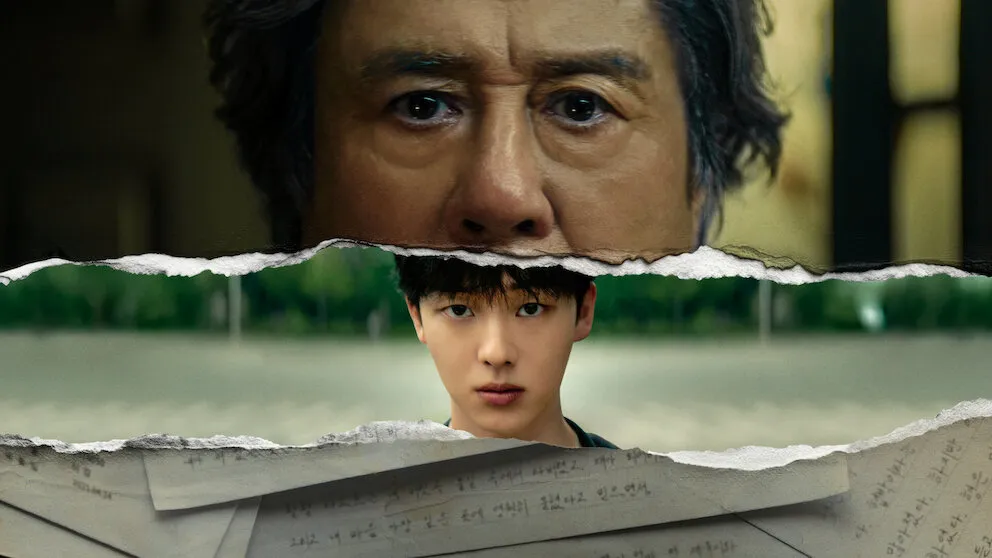
For the first episode or so, I genuinely thought I had this figured out. Bitter professor, more successful friend, a marriage running on autopilot, that's a familiar recipe, and I settled in expecting a fairly straightforward story about a jealous man behaving badly. Choi Min-sik plays that jealousy so well that I actually felt a flicker of sympathy for Mun-oh early on, which, in hindsight, is exactly the trap the show wants you in. You root for the guy just enough that his unraveling stings more than it should.
Watching Someone Fall for a Story in Real Time
What got me was how the show handles obsession. It doesn't rush there. It lets you watch, almost in real time, as a grown man with a job and a marriage starts reorganizing his entire life around what a student hands him each week. I caught myself doing the thing you do with a good book, mentally begging a character to just put it down, stop asking questions, stop pushing, and he never does. There's a particular stretch of episodes where every decision Mun-oh makes had me groaning out loud at my screen, not because it was badly written, but because I recognized the impulse. I've stayed up too late for a story too. I just haven't blown up my career over one.
The Moment the Floor Disappears
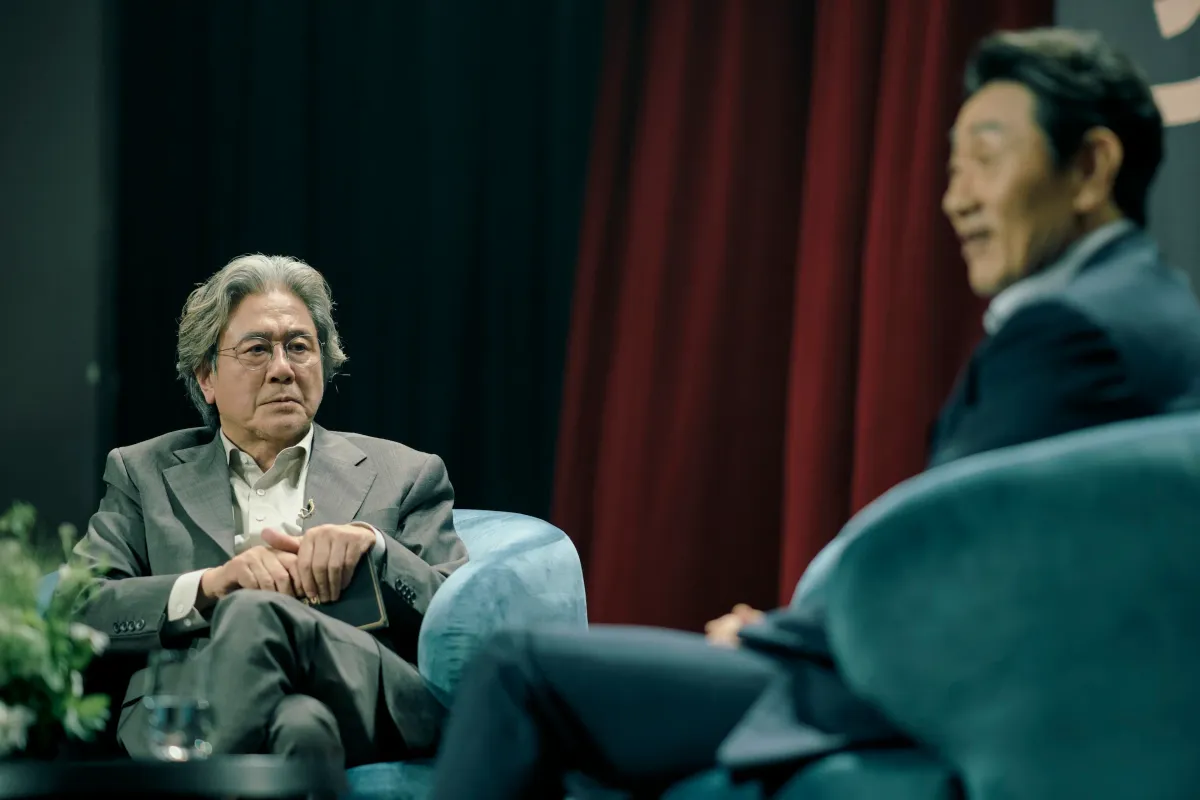
I won't spoil exactly how it happens, but there's a point in the finale where the ground shifts and you realize you've been reading the situation exactly as wrong as Mun-oh has. I actually paused the episode for a second, which almost never happens to me. It's not a jump-scare kind of twist, it's the quieter, worse kind, the one where you replay earlier scenes in your head and everything rearranges itself. Once it clicks, the whole season plays differently in retrospect, and I found myself wanting to immediately rewatch the early episodes just to see the seams I missed.
Rooting Against Someone and Feeling Bad About It
By the back half, my sympathy for Mun-oh had basically evaporated, and yet the show never lets you fully hate him either. Every time I was ready to write him off as simply pathetic, Choi Min-sik would land some small, wounded moment that pulled me back in. I ended up in this strange position of watching a man destroy his own life while still hoping, against my better judgment, that he'd catch himself before the next episode. He never does. Watching his wife Hyeon-suk finally walk away was honestly the one moment I felt unambiguously good, and I was glad the show gave her that exit on her own terms instead of turning it into another beat in his tragedy.
Where It Lost Me a Little
I'll admit there were a couple of stretches where I wanted to shake the professor and ask what he thought was going to happen, decisions that felt less like character and more like the plot needing him to be reckless on schedule. And I kept wishing the camera would follow Hyeon-suk instead of Mun-oh for a while, since she seemed to understand what was happening to him long before he did, and the show barely lets her speak on it.
Why I Couldn't Stop Watching Anyway
None of that stopped me from finishing the whole thing in one sitting. What kept me hooked wasn't the mystery of what Su-hun may or may not have done, it was watching how far a smart, credentialed adult would let himself be led by nothing more than the promise of a good next chapter. By the time the credits rolled on the finale, I wasn't thinking about the professor anymore. I was thinking about every time I've told myself just one more episode, and meant it a little less than I thought I did.
So, Hit or Miss? Here's What Everyone Else Is Saying
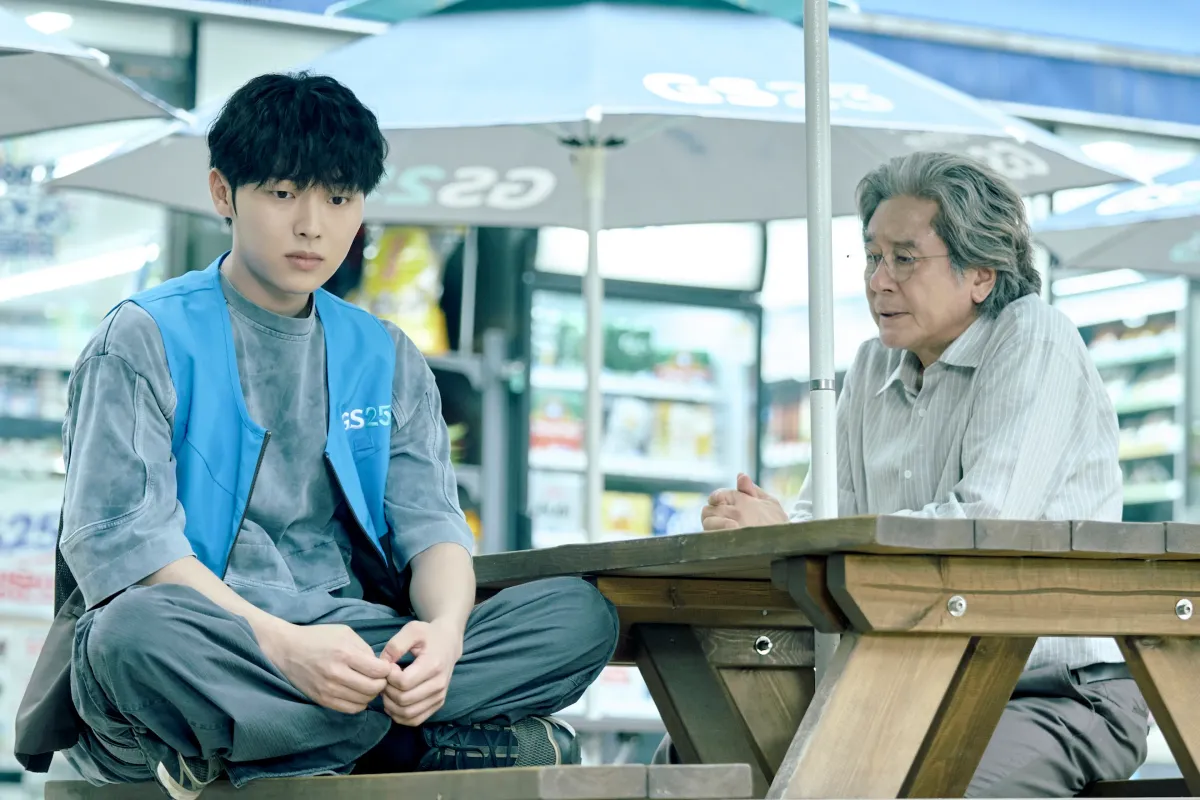
I went looking for other reactions after I finished, half expecting to find people as rattled as I was, and the internet mostly backs that up, though not without some grumbling. Choi Min-sik seems to be the one thing nobody disagrees on. Critics and casual viewers alike keep circling back to his performance, praising how he makes a genuinely irritating, self-pitying man feel tragic instead of simply insufferable. A few reviewers went as far as calling that Episode 1 closing scene alone worth the price of admission, the kind of moment that makes you want to immediately rewatch it.
Where opinions start to split is the writing itself. Some critics love how the show turns its mentor-student setup into a meditation on how easily fiction can hijack a life, calling it a sharp, unsettling character study that rewards patience. Others feel it leans a little too hard into soap-opera territory in its back half, piling on twists faster than the emotional groundwork can support, and a few pointed out that Hyeon-suk, arguably the most clear-eyed character in the whole cast, gets side-lined right when her perspective would matter most. That's a complaint I happen to share.
As for the pacing, it seems to be the dividing line between fans and skeptics. If you want a fast-moving, plot-driven thriller, some viewers warn you might find the slow-burn, conversation-heavy style a bit of a slog. But for anyone who enjoys sitting with moral ambiguity and watching two performances circle each other for six tense episodes, the general consensus leans firmly toward hit rather than miss. Nobody seems to think it's a perfect show, but almost everyone agrees it's a hard one to look away from, which, fittingly, is exactly the trap it's about.
What's interesting is how far that pull has traveled. Though it's a South Korean production, the show is adapted from a Spanish play, El chico de la última fila ("The Boy in the Last Row") by Juan Mayorga, and that root shows: it's found a strong audience in Spain, while also climbing the charts in India as part of the country's growing love for K-dramas. Quite a reach for a quiet, six-episode thriller with no action set pieces.