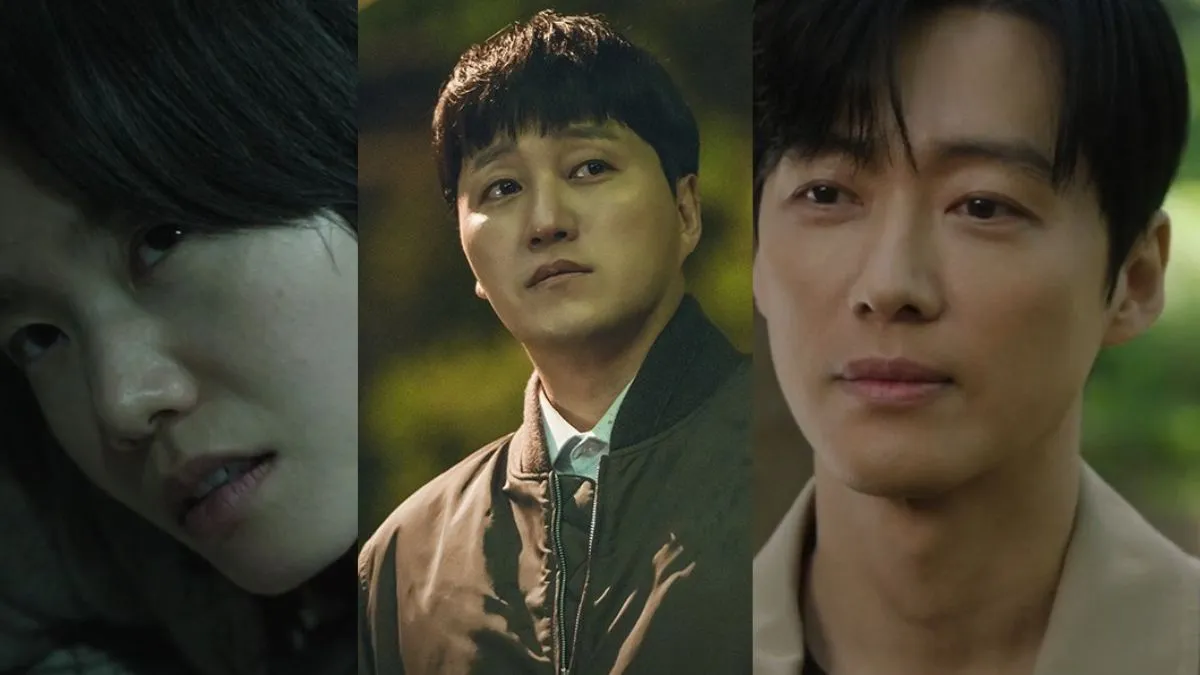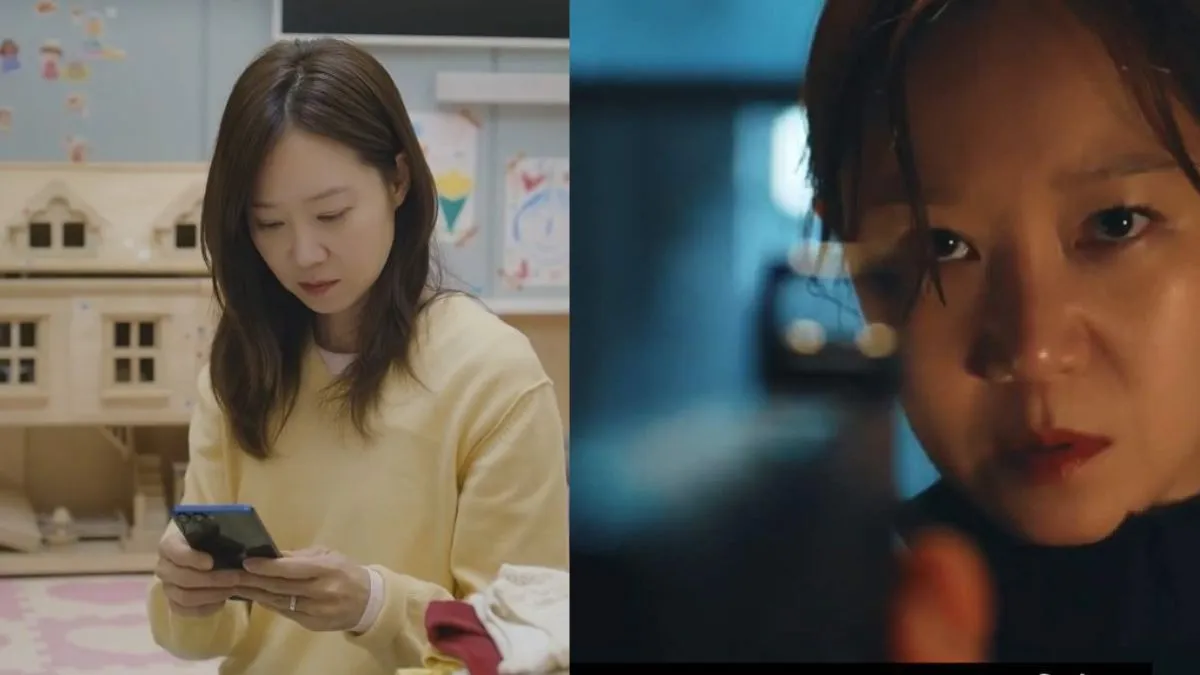
The Setup: A Bored Professor Finds His Muse
Heo Mun-oh looks like a man who has everything, a professorship in Korean literature, a therapist wife named Cho Hyeon-suk, and a respected place at a top university. But he's quietly falling apart, eaten alive by envy of his old university rival, Kim Su-hun, a bestselling novelist married to Mun-oh's long-buried first love, Ahn Eun-joo.
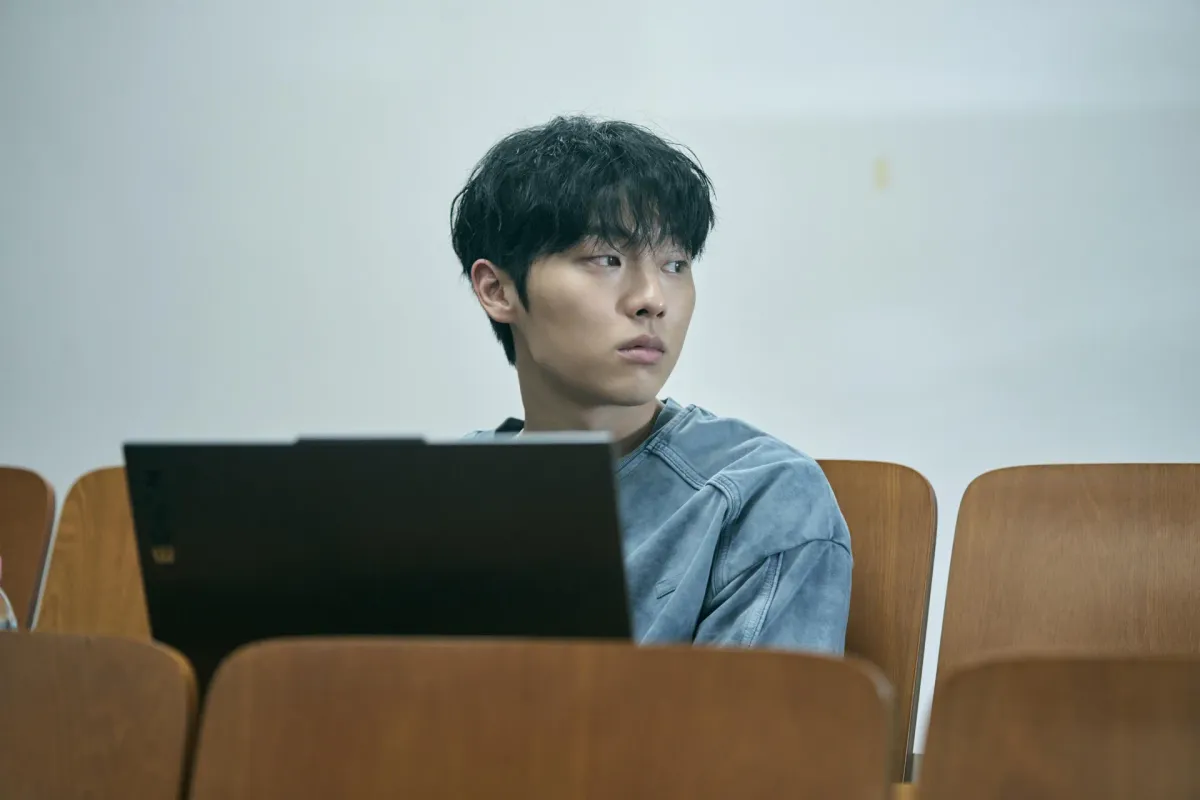
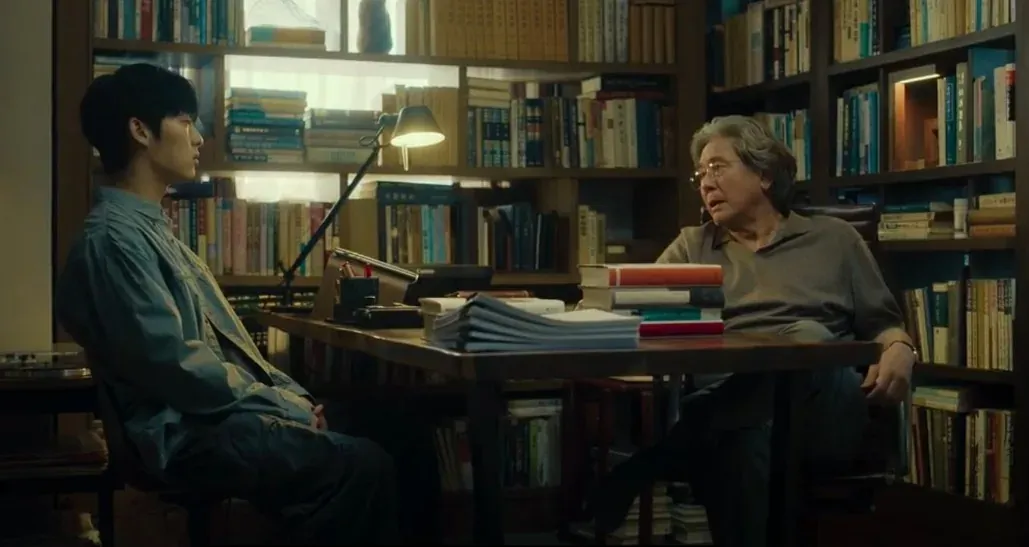
Then a quiet student named Lee Kang, who always sits in the back of class, hands in a writing assignment that stuns Mun-oh. Kang has real talent, and Mun-oh, desperate to feel like a writer again, starts giving him private lessons. He starts fantasizing about being the mentor behind Korea's next great novelist.
The Story Within the Story Turns Dangerous
Kang's essays keep getting more detailed, and Mun-oh realizes the family Kang is writing about belongs to Su-hun and Eun-joo. Their son, Se-yun, becomes the reason Kang gets close to the household. Chapter by chapter, Kang feeds Mun-oh a story that reads like a slow-motion crime unfolding in real time: an affair between Su-hun and the family's housekeeper, Min-hui, and then her sudden death after a hit-and-run.
Mun-oh, hungry for both a scandal and material for a comeback novel, gets pulled deeper into the narrative. He stops being a reader and starts acting like a character inside it even stealing exam questions to keep Kang close and cooperative.
The Finale Twist: Fiction Built to Order
The last episode reveals what the show had been hiding all along: most of what Kang told Mun-oh was invented. Min-hui never existed the way Mun-oh believed, and the murder plot was fiction designed for an audience of one. Kang wasn't documenting real events he was writing a story engineered specifically to unravel his professor.
Things reach a breaking point when Kang tells Mun-oh that Su-hun is about to kill Eun-joo and their son. Mun-oh races to their house expecting a tragedy, only to find everyone safe and completely unaware of what he's been through. That's the moment the illusion collapses and the moment Mun-oh understands he's been living inside someone else's manuscript.
Why Kang Did It: A Childhood Wound That Never Healed
The finale finally explains Kang's motive with a flashback to twelve years earlier. As a grieving child at an orphanage, Kang met Mun-oh, who was tagging along on one of his wife's therapy visits. Mun-oh actually helped young Kang open up that day, teaching him to process his grief through storytelling.
But before leaving, Mun-oh carelessly dismissed the boy's pain as unremarkable, telling his wife that Kang's tragedy was nothing special. Kang overheard it. That single careless comment planted twelve years of resentment, and everything that followed the mentorship, the manipulation, the meticulously built fiction was revenge for a wound Mun-oh never even remembered inflicting.
Haven't watched the drama yet? Read our spoiler-free review before diving into the ending explanation. Click Here
The Fallout: A Marriage, a Career, and a Reputation Destroyed
Once Kang exposes the stolen exam questions and Mun-oh's manipulation on a university forum, everything unravels fast. Mun-oh loses his university position and his public standing within days. His wife, Hyeon-suk, finally leaves him not out of revenge or an affair with Kang, which the show deliberately leaves unconfirmed, but because the ordeal made her recognize how long she'd been an afterthought in her own marriage.
Mun-oh's own greed seals his fate. When Kang refuses to write the story's ending, Mun-oh finishes it himself and then claims authorship of the entire manuscript, hoping to salvage his career with a "second novel." That decision, more than anything Kang engineered, is what destroys him.
The Final Scene, Explained
Months later, Mun-oh is working as a librarian, having lost his job, wife, and reputation. Kang reappears, returning a copy of Goethe's Faust, a not-so-subtle nod to a man trading his soul for ambition. Kang tells Mun-oh he has a new story and needs his help publishing it.
Mun-oh's response isn't refusal. He asks, "What's the story?"
That question is the ending. Even after everything Kang's fiction cost him, Mun-oh can't resist the pull of another narrative, another shot at feeling relevant again. The show suggests he never really understood what destroyed him, he was never a victim of Kang's story so much as a man who couldn't stop chasing one, whatever the price.
The Bigger Picture
Notes From the Last Row isn't really a mystery about who did what. It's a character study of obsession how a desperate need for validation can make someone complicit in their own ruin. Kang never lies outright; he simply builds a story he knows Mun-oh is too hungry to question. By the time the truth comes out, Mun-oh has already done all the damage himself.
The drama leaves Kang's true feelings deliberately unresolved, and that ambiguity is the point. Whether he sees Mun-oh as a broken man worth toying with again, or someone he's still trying to teach a lesson, is left entirely to the audience.